

The Briefing
- State to borrow 13 billion to cover deficit.
- Defense budget will increase by 620 million euros.
- Corporate taxes drop while social grants shrink.
Finland’s Ministry of Finance has finalized its budget proposal for the upcoming year, projecting a heavy fiscal deficit that will require the state to take on massive new debt to balance its books.
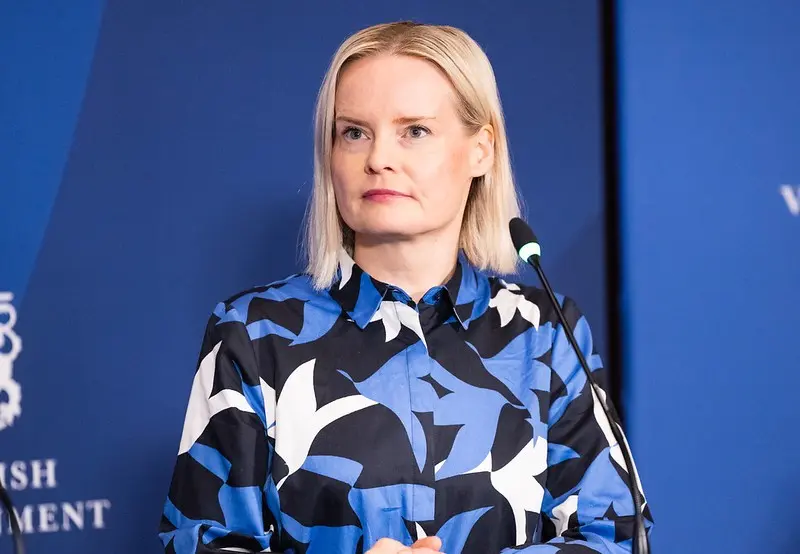
Finance Minister Riikka Purra presented the draft on Tuesday afternoon to set the stage for cross-government negotiations scheduled for September.
The proposal relies on previously agreed savings rather than introducing new austerity measures.
Finland has faced ongoing economic stagnation and an aging workforce, prompting the current coalition government to push for strict fiscal adjustments.
The draft outlines 79.4 billion euros in state revenue against 92.2 billion euros in planned expenses. This leaves a gap of roughly 13 billion euros that must be covered by new government borrowing.
Interest payments on the national debt alone are projected to reach 4.3 billion euros next year.
In a bid to stimulate domestic investment and economic growth, the government will lower the corporate tax rate from 20 percent to 18 percent.
Income taxation for workers will also be eased, while taxes on health hazards like tobacco and alcohol are set to increase.
Security remains a central priority following Finland’s integration into the NATO alliance and the ongoing war in Europe.
More money for defense, less for social spending
Security remains a central priority following Finland’s integration into the NATO alliance and the ongoing war in Europe.
The defense ministry budget will grow by 620 million euros, with an additional 1.3 billion euros authorized for future military equipment purchases.
Support for Ukraine will also see a dedicated increase of 200 million euros.
Meanwhile, non-governmental organizations operating in the social and health sectors face severe funding reductions.
State grants for these organizations will be cut by about one third, dropping to 190 million euros from 2027 onward.
State agencies will also need to find 85 million euros in additional operational savings.
Funding for welfare regions, which manage Finland’s public healthcare and social services, will grow by 340 million euros to reach a total of 27.5 billion euros.
Conversely, state subsidies for basic municipal services will slightly decrease.
The budget also expands the national investment program to fund 12 new transport projects.
These infrastructure upgrades will include major renovations to rail and metro stations in the Helsinki capital region.

 Submit Form
