

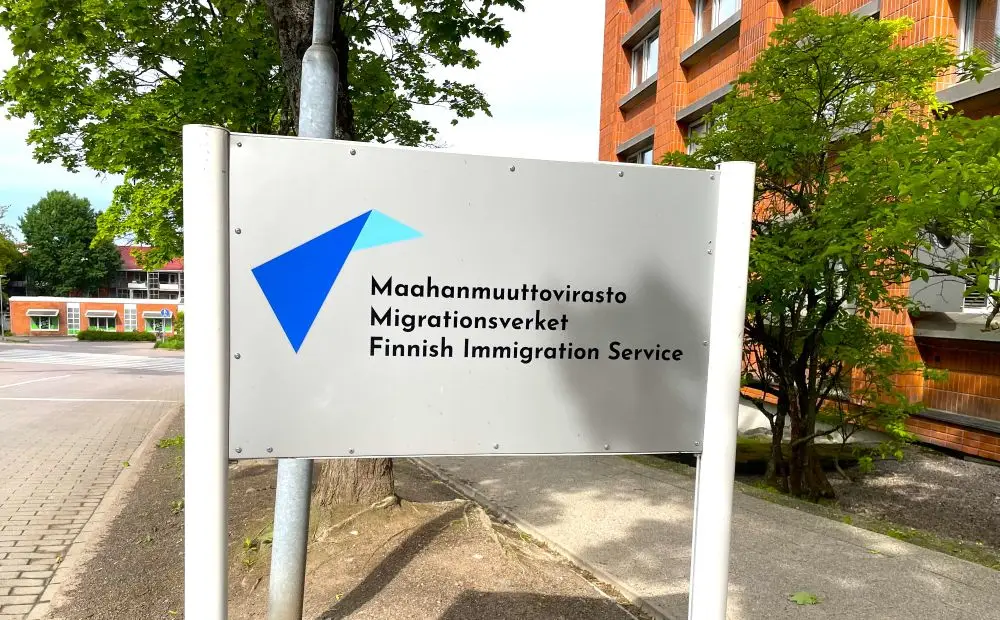
The Briefing
- Ombudsman rebukes Migri over unlawful processing delays.
- Thousands of family and student applications overdue.
- Ministries must report corrective actions by March 2027.
Finland’s immigration agency is breaking the law by failing to process residence permit applications within statutory deadlines, according to a sharp ruling from the Parliamentary Ombudsman.
Deputy Ombudsman Susanna Lindroos-Hovinheimo issued the critique following an official inspection of the Finnish Immigration Service, known as Migri.
The investigation revealed severe backlogs, particularly in residence permits based on family ties and applications from the family members of international students.
At the time of the inspection, Migri had approximately 22,000 pending family-tie applications. Only 61 percent of those applications were resolved within the statutory nine-month time limit.
A total of 4,346 family-tie applications had been pending for longer than nine months.
The situation was even worse for the family members of international students.
Fifty-five percent of those applications, totaling 3,065 cases, exceeded the legal three-month processing window.
Over the past few years, the ombudsman has received hundreds of complaints regarding slow processing times and has issued multiple warnings to Migri.
Migri attributes the chronic backlogs to staff reductions, frequent changes in legislation, and a rising volume of applications.
Similar justifications have been raised by other authorities, such as the police, regarding lengthy investigation times.
However, the deputy ombudsman emphasized that a lack of resources does not give public authorities the legal right to ignore statutory deadlines.
If current resources are insufficient to handle the workload, the ruling states that authorities must evaluate increasing resources, reorganizing work, or reducing statutory tasks.
The inspection also highlighted that frequent changes to aliens legislation have complicated Migri’s work and slowed down application handling.
In response to the findings, the Ministry of the Interior and the Ministry of Employment and the Economy must report their corrective measures by March 1, 2027.

 Submit Form

