

The Briefing
- Finland condemns Russian cyber activity.
- Supo warns of FSB espionage.
- Several European states summon ambassadors.
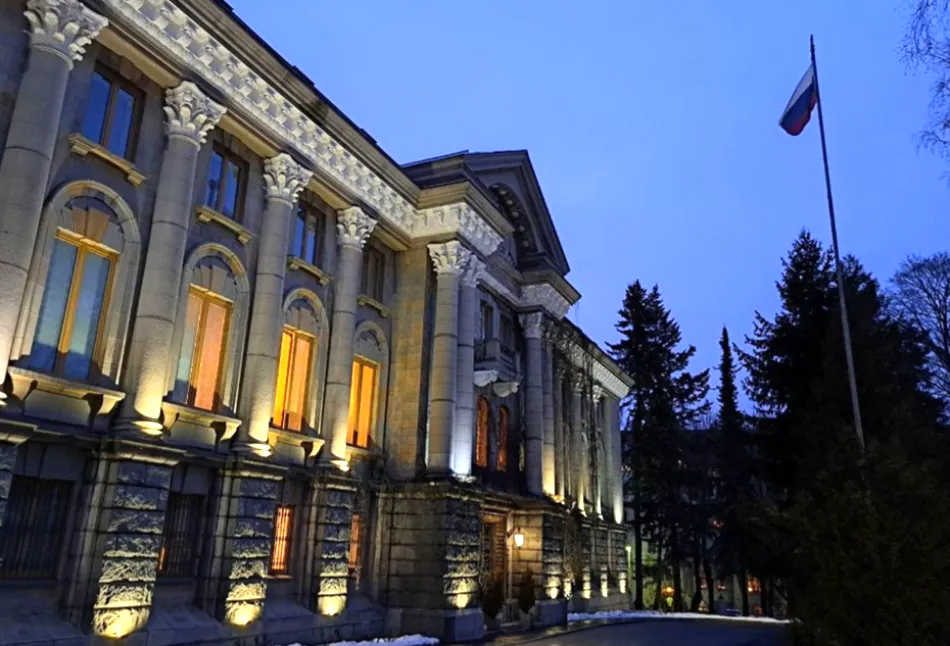
Finland’s Foreign Minister Elina Valtonen has summoned Russia’s ambassador for talks after Finnish authorities warned that Russia is carrying out harmful cyber activity and misusing the online environment.
Valtonen said Finland condemns Russia’s cyber operations. Writing on X, she stated that the country rejects both “harmful cyber activity” and the misuse of cyberspace.
The move came after several countries said on Monday that Russia had launched a broad cyber campaign against Europe. Finland is among the countries affected.
Finland’s Security and Intelligence Service, known as Supo, and Finnish military intelligence also issued a warning on Monday about online espionage carried out by Russia’s Federal Security Service, the FSB.
France, the United Kingdom and Germany also said they would summon Russian ambassadors in response to the cyber campaign.
According to the information released, Russia’s cyberattack campaign was launched for sabotage and espionage purposes. It has targeted at least ten European countries.
France, the United Kingdom and Germany also said they would summon Russian ambassadors in response to the cyber campaign.
Supo: Finland Increasinlgy a Target
Supo said Finland is increasingly becoming a target of large, multinational cyber operations by Russian intelligence services.
The agency told Yle that Russian cyber espionage attempts are detected in Finland continuously. However, Supo said Russia has only rarely been able to cause actual damage inside Finland.
The main targets include foreign and security policy decision-making, critical infrastructure, emerging technologies and companies involved in support for Ukraine.
Supo said Russia is trying to gather information about how Finnish systems are protected and structured. It is also seeking information that could support Russia’s war in Ukraine.
“Russia has for years tried to map the online weaknesses of Finnish organisations and exploit the vulnerabilities it finds, partly in an opportunistic way,” Supo said.
The agency added that Russian security and intelligence services may aim both to spy on confidential information and to prepare for possible sabotage.
However, Supo said Russia has not so far tried to paralyse Finland’s critical infrastructure through cyberattacks. The agency also considers such an attempt unlikely in the near future.
The warning comes at a time when Finland’s security environment has changed sharply. Finland joined Nato in 2023 after Russia’s full-scale invasion of Ukraine, ending decades of military non-alignment and placing the country more firmly inside the Western defence alliance.
Cybersecurity has also become a growing concern across Europe since the start of the war in Ukraine.
Governments have repeatedly warned that hostile states may use cyber operations to gather intelligence, test defences or disrupt public and private systems without crossing the threshold of open military conflict.

 Submit Form
