


The Briefing
- Alanya Market faces a €20,000 conditional fine
- Dozens of imported foods lack local labels
- The store must comply by April 1
Helsinki city officials have issued a €20,000 conditional fine warning to Alanya Market for failing to provide adequate food packaging labels.
Inspectors found that dozens of imported food items lacked mandatory ingredient and allergen information in both Finnish and Swedish, reported Helsingin Uutiset.
The warning comes from the city’s environment and permits division following an inspection last December. Authorities had previously ordered the store to correct the labeling issues in October, but a follow-up visit revealed continued violations.
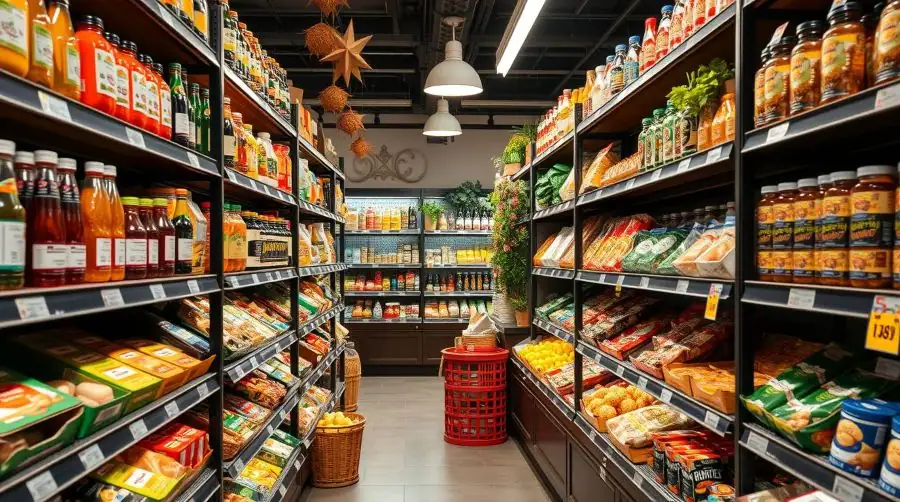
Store management told Helsingin Sanomat that the relabeling process is highly time-consuming because they carry over 10,000 different products. Factory labels do not come in local languages, so the store has reportedly assigned two employees specifically to handle translations.
Because the store spans more than 2,000 square meters, city inspectors could only take a limited sample of the products. Even within this small check, they found a significant number of items missing the required markings.
If the market does not comply with the labeling order by the beginning of April, the city will enforce the financial penalty.
Alanya Market is one of Finland’s most prominent ethnic grocery chains.
Alanya Market is one of Finland’s most prominent ethnic grocery chains. It operates branches in Espoo, Tampere, Turku, and Lahti, and opened this Itis location in 2023.
Under European Union and Finnish Food Authority regulations, prepacked food sold in bilingual municipalities like Helsinki must display ingredients and allergens in both national languages. This strict rule ensures consumer safety and prevents dangerous allergic reactions.
This creates a major hurdle for foreign-owned grocery stores across Finland. Unlike domestic supermarkets that buy from established local distributors, international stores often import unique foreign goods directly.
This supply chain difference makes independent shop owners legally responsible for physically printing and attaching local language stickers to every single imported package before sale.
Past reports show that this heavy administrative burden is a common struggle for immigrant-owned businesses nationwide.


