

The Briefing
- Menevä purchased 100 Tesla Model Y vehicles.
- Human drivers become hospitality-focused passenger hosts.
- Service launch awaits EU autonomous driving approval.
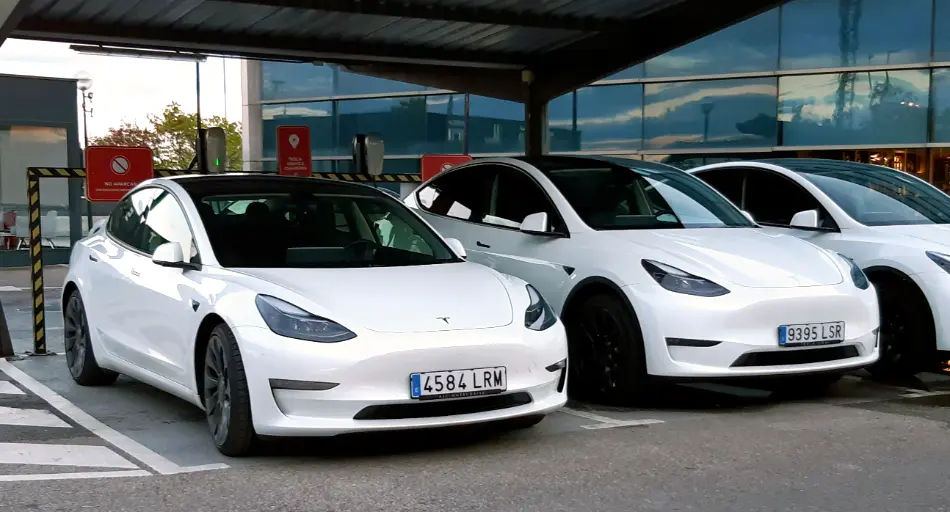
Finnish taxi operator Menevä has invested five million euros in 100 Tesla Model Y electric vehicles equipped with Full Self-Driving technology.
The company plans to launch a new service named Robo Menevä in Helsinki, fundamentally changing the traditional role of the taxi driver into a customer service host.
The new hosts will focus on passenger hospitality rather than vehicle navigation, though they must legally hold a valid driving license. Because the human remains legally responsible for the vehicle, the host must be ready to take manual control of the car at any time.
“We will compete in the future with a superior customer experience rather than driving skill, which technology now does better than a human,” Menevä Chief Executive Officer Tuomo Halminen said in a statement.
He noted that the 100-car fleet is commercially ready and that current company drivers can apply for these new host positions, which require specific hospitality training.
The launch of Robo Menevä depends entirely on regulatory green lights for the Full Self-Driving system.
While the Netherlands, Belgium, and several other European countries have already authorized the system nationally, an EU-wide approval vote was recently postponed from October to December 2026.
European Union-wide authorization requires the backing of at least 15 out of 27 member states, representing 65 percent of the bloc’s population.
This means the exact timeline for introducing the autonomous fleet to Finnish roads remains tied to ongoing European regulatory decisions.
The automated driving technology has faced some international scrutiny despite recent national approvals.
Halminen promised that Menevä will openly publish performance data from the service operating in Finnish conditions. Tesla itself is not directly involved in producing or managing the local taxi service.
The automated driving technology has faced some international scrutiny despite recent national approvals.
During a July test in Belgium, where the system is already approved for road use, the software repeatedly broke speed limits and displayed incorrect speed information to the driver.

 Submit Form
