

The Briefing
- Austrian bakery sells rye loaf for sixty dollars.
- Customers queue in Manhattan despite online backlash.
- High costs stem from imported European ingredients.
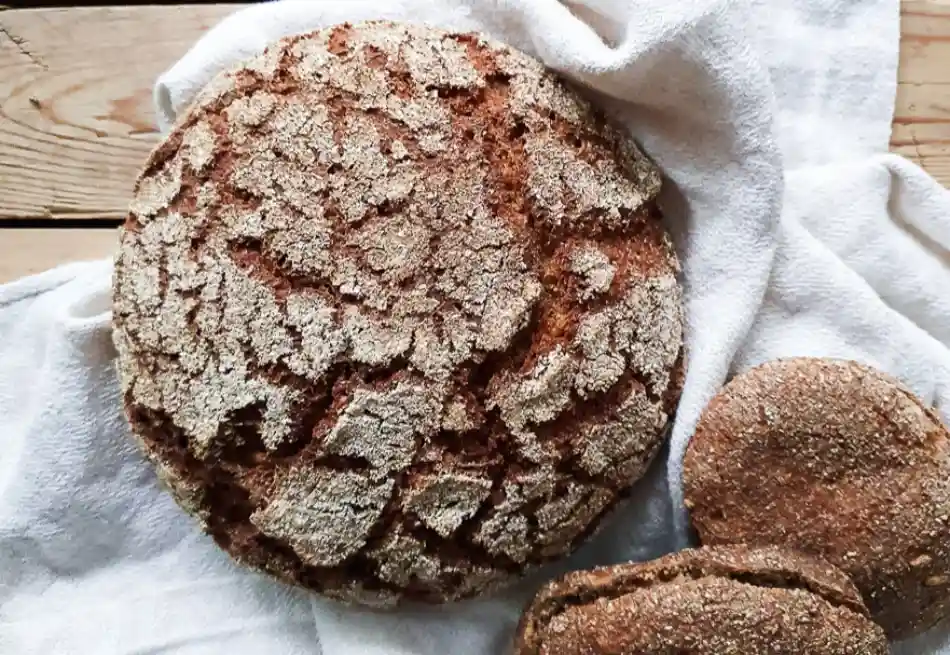
An Austrian bakery has launched a location in Manhattan selling traditional organic sourdough rye bread for 60 dollars, drawing long lines of customers alongside intense social media debate over its steep price.
The new shop in the SoHo neighborhood was opened two weeks ago by the family of Austrian baker Martin Auer.
Tim Auer, the founder’s son, told news agency dpa that the family wanted to bring a product to New York that they excel at making.
While rye bread is an everyday staple in countries like Finland and Austria, the product is far less common in the United States.
The central product on offer is a 1.5-kilogram loaf made from organic Austrian rye, water, and salt, fermented using a 57-year-old sourdough starter.
Bakers prepare the loaves using a two-ton oven imported directly from Germany.
The bakery serves slices with various toppings, including fish roe, chocolate spread, or butter with chives, reports the New York Post.
The 60-dollar price tag, which equals roughly 52 euros, has sparked criticism on social media platforms.
In New York City, a standard loaf of bread usually costs a few dollars, while typical artisan loaves sell for under 20 dollars.
Auer defended the pricing by pointing out the extreme operating expenses in one of the most expensive retail areas globally.
He noted that critics should consider local commercial rents and living costs in Manhattan.
All ingredients for the bread, as well as the wooden service counter from the Styria region of Austria, were shipped across the Atlantic.
The new store is located at 285 Lafayette Street, an address historically known as the residence of musician David Bowie.
Rye bread is currently experiencing a culinary renaissance, moving from the edges of supermarket shelves to the center of modern bakeries and dining tables.
Why Rye Bread Is Gaining Popularity?
Experts believe that rye bread is currently experiencing a culinary renaissance, moving from the edges of supermarket shelves to the center of modern bakeries and dining tables.
Once considered a niche or traditional option, rye bread is capturing the attention of health-conscious consumers, food enthusiasts, and top-tier chefs alike.
Modern consumers are increasingly critical of highly processed white breads, which can cause rapid spikes in blood sugar. Rye flour, particularly when made from whole grains, is a nutritional powerhouse. It is exceptionally high in dietary fiber, which promotes digestive health, aids in weight management, and helps maintain steady blood sugar levels.
Additionally, rye contains a range of essential vitamins and minerals, including magnesium, potassium, and B vitamins, making it a much more nutrient-dense choice than standard wheat bread.
Another major driver is the booming popularity of gut health and fermentation. Traditional rye bread, particularly authentic sourdough rye, relies on wild yeast and lactic acid bacteria for fermentation. This process breaks down the grains and makes the nutrients more bioavailable while reducing phytic acid, an anti-nutrient that can inhibit mineral absorption.
The natural fermentation process also creates prebiotics, which feed the beneficial bacteria in the gut. As consumers learn more about the gut-brain connection and the importance of a healthy microbiome, fermented foods like traditional rye have skyrocketed in demand.
Taste and culinary versatility are also playing a huge role in the rye revival. Traditional perceptions often painted rye as dense, heavy, and overwhelmingly sour. However, modern artisanal bakers are showcasing the incredible variety within the rye family.

 Submit Form
